



Key takeaways
- Ghosta sits about 36 km north of Beirut at roughly 950 meters above sea level, reached by a steep, winding mountain road above Jounieh.
- Plan 45 to 60 minutes of driving from Beirut and 20 to 30 minutes from Jounieh, then add buffer for traffic and switchbacks.
- A taxi or ride-hail drop-off removes the parking question entirely and lets you focus on the flight.
- Arrive 15 to 20 minutes before your slot so weather checks and the harness fitting are not rushed.
If you are wondering how to get to the Ghosta launch, the short answer is a drive north to Jounieh followed by a climb up the Harissa road into the mountains. The takeoff point sits above the coast in the village of Ghosta, roughly 45 to 60 minutes from Beirut and about 20 to 30 minutes from the Jounieh waterfront. This guide walks you through the best routes, your driving, taxi, and parking options, how long the climb takes, what the arrival looks like, and how to time it all around your flight slot.
Ghosta is a small municipality in the Keserwan District, sitting at roughly 950 meters above sea level and about 36 kilometers north of Beirut, according to its geographic record on Wikipedia. That elevation is exactly why it works as a launch: you gain real height over the bay without a long hike, because the road does the climbing for you.
How to get to the Ghosta launch: best routes from Jounieh and Beirut
Most visitors start from either Beirut or the Jounieh seafront, and both funnel onto the same mountain road for the final stretch.
From Beirut: Head north on the coastal highway toward Jounieh. This is the main artery along the Mediterranean, and it carries you past Dbayeh and Zouk before you reach the Jounieh exits. Once you leave the coast, you turn inland and upward toward Harissa and Ghosta. The coastal portion is fast when traffic is light and slow during rush hour, so the time swing is wide.
From Jounieh: The climb begins almost immediately. You leave the flat seafront and start up the Harissa road, the same corridor that serves the famous hilltop shrine. The road narrows and twists as it gains altitude, passing terraced slopes and pine before it reaches the Ghosta plateau.
A few route notes worth knowing before you set off:
- The mountain road is a genuine climb with switchbacks, so it feels longer than the distance suggests.
- Phone navigation works well in the area. Set your destination to Ghosta rather than a generic "Jounieh" pin so you do not stop at the coast.
- If you are flying with us, the Paragliding961 team sends the exact launch pin when you book, which removes any guesswork on the last few turns.
Driving, taxi, and parking advice near the launch
Driving yourself
Driving gives you the most flexibility, and the route is straightforward once you commit to the climb. Keep these points in mind:
- The switchbacks are steady rather than extreme, but they reward a calm pace, especially if you are not used to mountain roads.
- Fuel up before you leave the coast. Stations thin out as you climb.
- A regular car handles the road fine in dry conditions. Rain makes the descent slicker, so take the downhill return slowly after your flight.
Taking a taxi or ride-hail
A taxi or ride-hail car is the easiest option for visitors. You skip the parking question, you avoid learning the switchbacks cold, and you can relax before the flight instead of concentrating on an unfamiliar road. Agree on the fare or confirm the app price before you set off, since mountain trips sometimes cost more than a flat-city ride. Ask the driver to wait or arrange a return pickup, because cars passing by for a casual hail are far less common up at the launch than they are on the coast.
Parking at the launch
Parking near the takeoff point is informal: roadside pullouts and open clearings rather than a marked lot. On quiet weekday mornings you will find space easily. On busy weekends, spots fill, so either arrive early or let a taxi handle the drop-off. Pack light. You only need yourself, comfortable shoes, and whatever you plan to bring in the air, so you are not hauling extra bags up the mountain.
How long the trip up the mountain takes
The honest answer depends on traffic down on the coast, not the climb itself. Here is a realistic breakdown.
| Starting point | Approximate distance | Typical travel time |
|---|---|---|
| Beirut to Jounieh | about 18 to 22 km | 15 to 30 min |
| Jounieh to Ghosta | the mountain climb | 20 to 30 min |
| Beirut to Ghosta (total) | about 36 km | 45 to 60 min |
The coastal leg is the variable. In light traffic, the run from Beirut to Jounieh is quick. During peak hours it can double. The mountain leg is far more predictable because it is short and carries less traffic, though the switchbacks keep your average speed low. Build in a buffer of 15 to 20 minutes on top of these figures so a slow coastal stretch never eats into your flight window.
What to expect when you arrive at the takeoff point
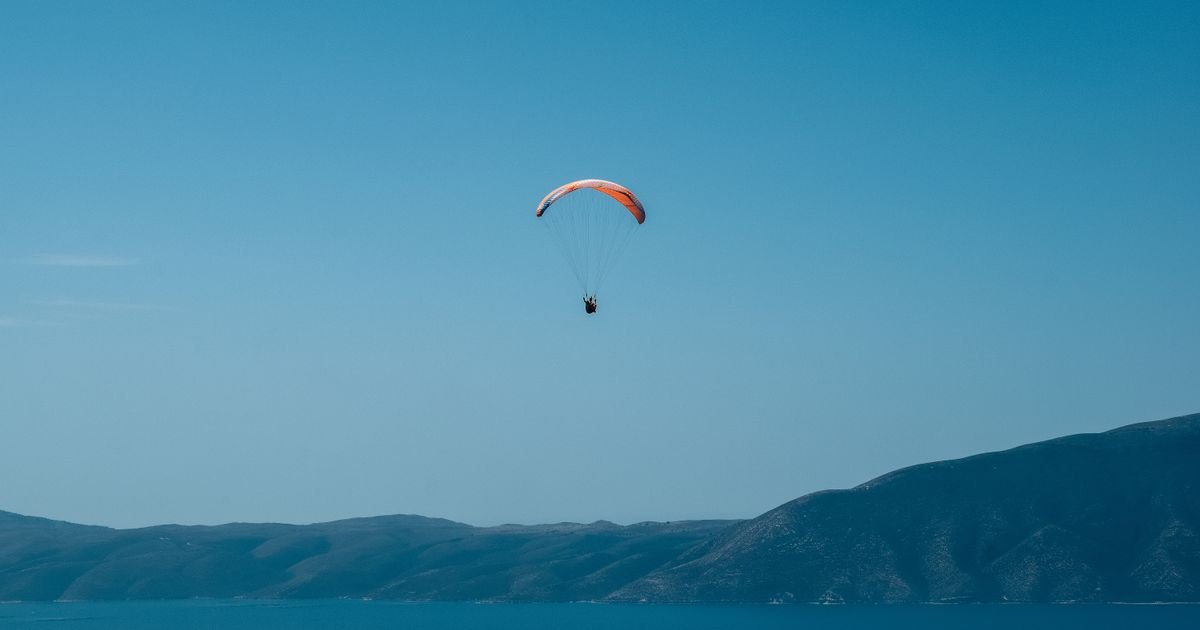
The launch is an open slope with the coast falling away below you, and the first thing most people notice is the view. From this height, the crescent of Jounieh Bay spreads out under you, with the Mediterranean beyond and the mountains at your back. If you want a fuller picture of the site itself, our guide to the Ghosta launch site walks through the terrain and the setup in detail.
When you arrive, expect a short, calm sequence rather than a rush:
- A weather check. Your pilot reads the wind and conditions before anything else. Launches are tied to the air, not the clock, so a brief wait is normal and always in your favor.
- A quick briefing. You hear how the takeoff run works and what to do with your feet and posture during those first few steps.
- The harness fitting. You are clipped in and checked. This takes a few minutes and should never feel hurried.
- The run and the lift. A few steps down the slope and the wing takes your weight. The ground drops away and the bay opens up.
The Ghosta plateau also sits near Harissa, the hilltop shrine linked to the Jounieh coast by a cable car that opened in 1965 and runs about 1.5 kilometers in roughly nine minutes, as described by the independent travel writeup at The Passenger. You are flying over genuinely storied terrain, not an anonymous hillside.
Timing your arrival around your flight slot
Your flight slot is a target, not a hard appointment, because paragliding runs on the weather. Still, arriving on time keeps everything smooth for you and the pilots managing the morning.
A simple plan works best:
- Aim to arrive 15 to 20 minutes early. This leaves room for the weather check, the briefing, and the harness fitting without any rush.
- Favor the morning when you can. Mountain air is often calmer and more predictable earlier in the day, which makes for cleaner launches.
- Treat your buffer as part of the trip. Add the 15 to 20 minute travel cushion mentioned above so a slow coastal stretch does not compress your whole visit.
- Stay reachable. If conditions shift, the team may adjust your slot, and a quick call saves everyone a wasted trip up the mountain.
Early arrival also gives you a few quiet minutes to take in the view and settle your nerves before you clip in. That short pause at the edge of the slope, looking down at the bay, is part of what people remember.
Make the climb the easy part of your day
You now have the full route: north to Jounieh, up the Harissa road, into Ghosta at around 950 meters, with a 45 to 60 minute drive from Beirut and a 15 to 20 minute buffer on top. The next step is to lock in a morning slot and decide whether you are driving or letting a taxi handle the switchbacks, then send a message to the Paragliding961 team to confirm your time and get the exact launch pin. With the directions sorted, the only thing left to think about is the moment the ground drops away beneath you.
Frequently asked questions
How do I get to the Ghosta launch?
Drive north from Beirut on the coastal highway to Jounieh, then climb the Harissa road up into the mountains toward Ghosta at about 950 meters. The full trip from Beirut takes roughly 45 to 60 minutes.
How long does it take to drive up to Ghosta?
From Jounieh, expect 20 to 30 minutes on the mountain road. From central Beirut, plan on 45 to 60 minutes including the coastal drive and the climb.
Is there parking near the launch?
There is informal roadside and clearing parking near the takeoff area. Spaces are limited, so arriving early or taking a taxi is the safer choice on busy weekends.
Can I take a taxi to the launch instead of driving?
Yes. A taxi or ride-hail car can bring you from Jounieh or Beirut straight to the launch, which avoids parking and the stress of unfamiliar switchbacks.
When should I arrive for my flight slot?
Aim to arrive 15 to 20 minutes before your booked time so there is room for the weather check, paperwork, and harness fitting without rushing.