



Key takeaways
- A tandem paragliding flight over Jounieh typically cruises several hundred meters above the bay, high enough to see the full coastline but low enough to pick out boats and rooftops.
- Your starting height comes from the Ghosta launch area in the hills above Jounieh, so the flight begins high and the whole ride is a long, scenic glide toward the water.
- Height feels calmer in a paraglider than people expect, because there is no floor, no railing and no sudden edge, just open air and a steady view.
- Pilots keep deliberate margins between the wing and the terrain, the water and other traffic at every stage of the flight.
A tandem paragliding flight over Jounieh usually cruises several hundred meters above the bay. That is high enough to take in the whole sweep of the coastline, yet close enough to still make out boats trailing white wakes and cars moving along the corniche. The precise number shifts from one flight to the next, so this guide walks through what sets your height, why it feels different from how you imagine it, and what you actually see from up there.
If you are weighing a first flight, how high do you fly paragliding is one of the most common questions people ask, right alongside whether they will feel sick or scared. Height turns out to be the easy part. Here is what to expect.
How high do you fly paragliding on a typical Jounieh flight?
On a standard tandem run over Jounieh Bay, you spend most of the flight a few hundred meters above the water. That puts you well above the rooftops and the port, with a clear line of sight across the bay and out to the Mediterranean. It is the kind of height where the landscape reads like a living map: you can follow a road with your eye, watch a boat carve a curve, and still sense that these are real, moving things rather than distant dots.
Your height is not fixed for the whole flight. It is highest soon after launch and tapers off as your pilot sets up the approach to the landing zone near the water. Along the way the air itself plays a part. Warm air rising off sun-heated slopes, known as thermals, can nudge a wing upward, while a smooth descent brings you gently back down. According to Wikipedia's overview of paragliding, pilots use these rising air currents to gain and hold altitude, which is why no two flights trace exactly the same line through the sky.
The short answer to how high you fly: high enough to feel like you are truly flying, and never so high that Jounieh turns into an abstract blur.
How the Ghosta launch elevation shapes your flight
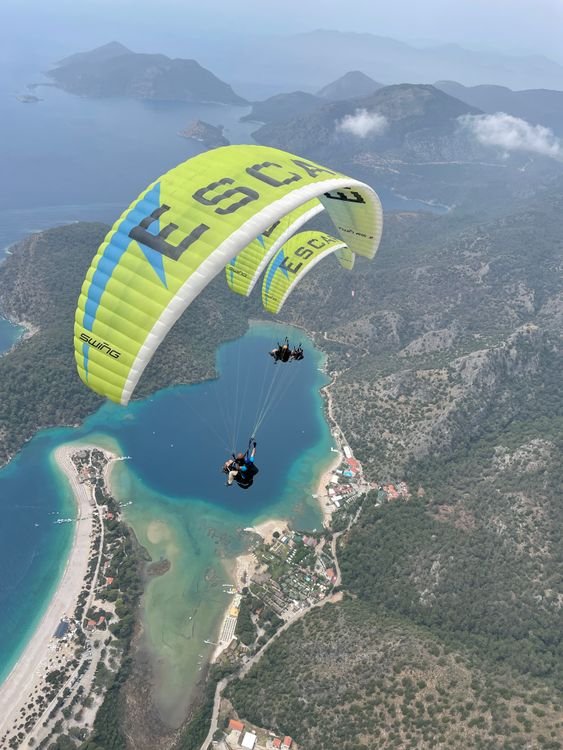
Your flight does not start at the shore. It starts up in the hills above Jounieh, in the Ghosta area, where the ground already sits well above sea level before you take a single step off the slope. That elevation is the quiet engine behind the whole experience. You are not climbing from the beach up into the sky; you are stepping off high ground and gliding down across it.
This is why the geography around Jounieh is so well suited to the sport. The land rises steeply from the water, so there is a generous vertical gap between the launch and the bay below. The same dramatic relief is what lets the Jounieh cable car climb from the coast up to the hilltop shrine at Harissa in a matter of minutes. That steep rise from sea level to the hills is exactly what gives a paraglider room to fly.
Because the launch sits high, the entire flight becomes one long, scenic descent toward the water, with any thermal lift stacked on top of that starting advantage. If you want a closer look at where it all begins, the team has written in detail about the Ghosta launch site.
Why height feels different than you expect
People brace for paragliding the way they brace for a tall balcony or a glass elevator. The reality is calmer. There is no floor beneath you to remind your body it could fall, no railing to grip, and no hard edge to peer over. You are simply seated in a harness with open air all around, and the brain tends to read that as floating rather than falling.
Three things soften the sensation of height:
- No reference edge. Fear of heights is often triggered by a visible drop-off right at your feet. In the air there is nothing to look over, so the usual trigger never fires.
- A steady, gradual ride. A tandem wing moves smoothly. Without sudden drops, your inner ear stays comfortable and the altitude stops feeling like a threat.
- A wide, calm view. Your attention drifts to the horizon and the coast rather than straight down, which keeps the height from dominating how you feel.
This is why so many nervous first-timers come back down grinning. If heights normally unsettle you, paragliding often surprises people who expect to be frightened.
Views you get at cruising altitude over the coast
Cruising height over Jounieh is the sweet spot for scenery. You are high enough to see the bay as a single curve of blue, with the coastline bending north and south and the Mediterranean opening out to the west. On a clear day the water shows off its full range of color, from the pale turquoise near the shore to the deep blue further out.
Look inland and the hills climb away from the water, dotted with red-roofed buildings and the landmark hilltop shrine above Harissa. From the air you take in the relationship between the town, the port and the mountains all at once, something no street-level view can give you. Seeing the Mediterranean coast this way is its own reward.
At this height you also get the best of both worlds for photos and video. You are high enough for a sweeping, map-like frame, yet close enough that boats, beaches and rooftops still register as recognizable detail. A GoPro flight captures all of it, the wide horizon and the small human-scale moments below.
Safety margins pilots keep at every altitude
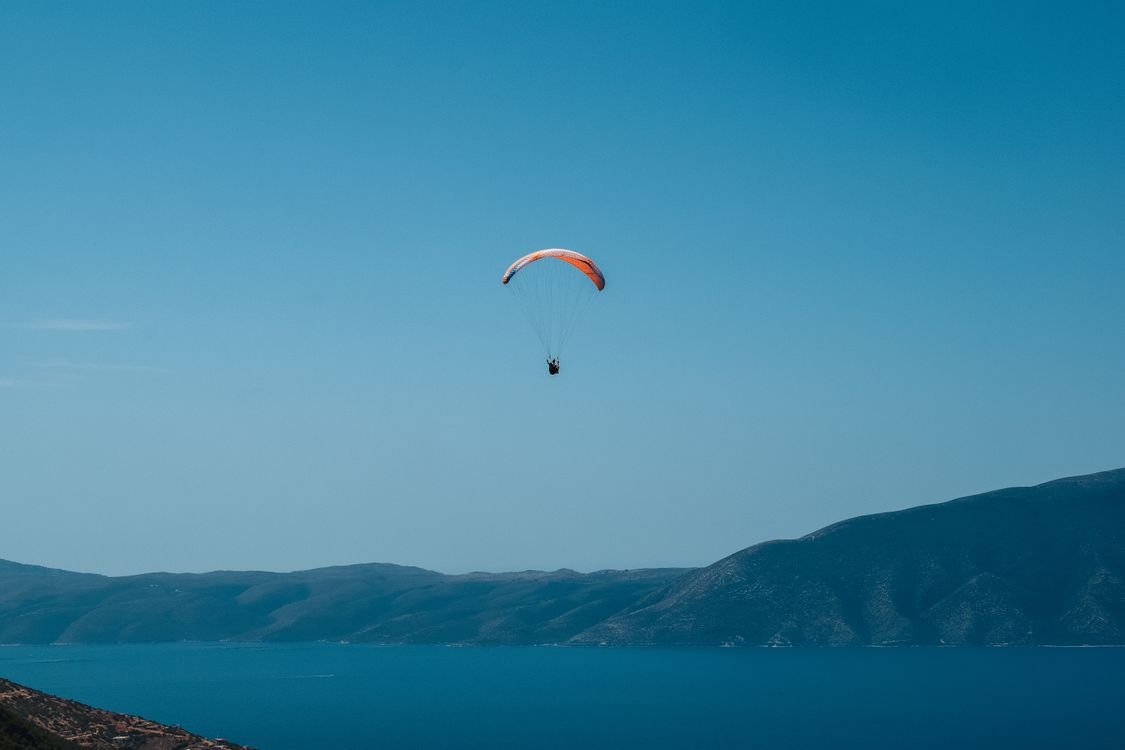
Height in paragliding is carefully managed throughout the flight. A certified tandem pilot is constantly working with margins: distance from the terrain, distance from the water, and distance from other wings in the air. The goal is to always have room to respond, whatever the altitude.
Those margins show up in practical ways:
- Terrain clearance. The pilot keeps the wing a safe distance from the slopes and hilltops, especially near launch and whenever the flight path runs close to high ground.
- Approach planning. Height is spent deliberately on the way down, so the wing arrives over the landing zone with the right amount of altitude to set up a calm, controlled approach rather than a rushed one.
- Airspace awareness. The pilot tracks other gliders and keeps clear separation, since Jounieh's conditions can draw several wings into the air at once.
- Condition limits. Flights only happen when the wind and air support safe margins. Height is only comfortable when the air underneath it is behaving.
This is the difference a trained pilot makes. The altitude you enjoy as a passenger is the result of continuous small decisions you never have to think about. If you want to understand who is flying you, read about the certified pilots behind every Paragliding961 flight.
Ready to see Jounieh from the air?
The honest answer to how high you fly is that you reach a height where the whole bay becomes yours to look at, and where the number matters far less than the feeling. If that sounds like your kind of morning, pick a clear-weather day, book a tandem flight from Ghosta, and let the launch elevation do the work. Bring a sense of curiosity, let your pilot handle the altitude, and plan to spend the first minute simply watching the coast unfold below you.
Frequently asked questions
How high do you fly paragliding over Jounieh?
A tandem flight usually cruises several hundred meters above the bay after launching from the hills near Ghosta. The exact height on any given day depends on the wind, the air conditions and the flight plan your pilot chooses.
Is paragliding altitude over Jounieh dangerous?
Height itself is not the risk in paragliding. Certified tandem pilots keep clear margins from the terrain, the water and other wings, and they fly only in conditions that support those margins.
Can I control how high we fly?
Your pilot manages the altitude, but you can share what you are comfortable with before launch. Many passengers find the open, floating sensation feels far gentler than looking down from a building.
Will I feel the height the whole time?
Most passengers stop noticing the raw number within the first minute. With no edge to look over and a smooth ride, attention shifts quickly to the view of the coast and Harissa.