



Key takeaways
- What paragliding feels like is mostly calm: a few quick running steps, then the ground drops away and the harness holds you like a seat.
- The air is quieter than people expect because a tandem paraglider has no engine, so you hear wind and your own voice, not a motor.
- Turns are smooth and gradual rather than sharp, so the paragliding sensation sits closer to floating than to a roller coaster.
- Most first-timers are surprised by how secure the harness feels and how fast the nerves fade once the wing is overhead.
- Your certified pilot manages the wing, reads the air over Jounieh Bay, and keeps the whole flight steady from takeoff to landing.
What paragliding feels like, for most people, is calm. There is a short burst of nerves at launch, a few running steps, and then the ground simply drops away while the harness cradles you like a chair that happens to be floating a few hundred meters above the coast. That is the honest answer to what does paragliding feel like: less adrenaline, more quiet wonder.
This guide walks through the real sensations, moment by moment, from the first steps off the slope to the soft touch of landing. If you have ever pictured a stomach-dropping plunge, the truth is gentler and, for many, more memorable because of it.
What Does Paragliding Feel Like at Takeoff?
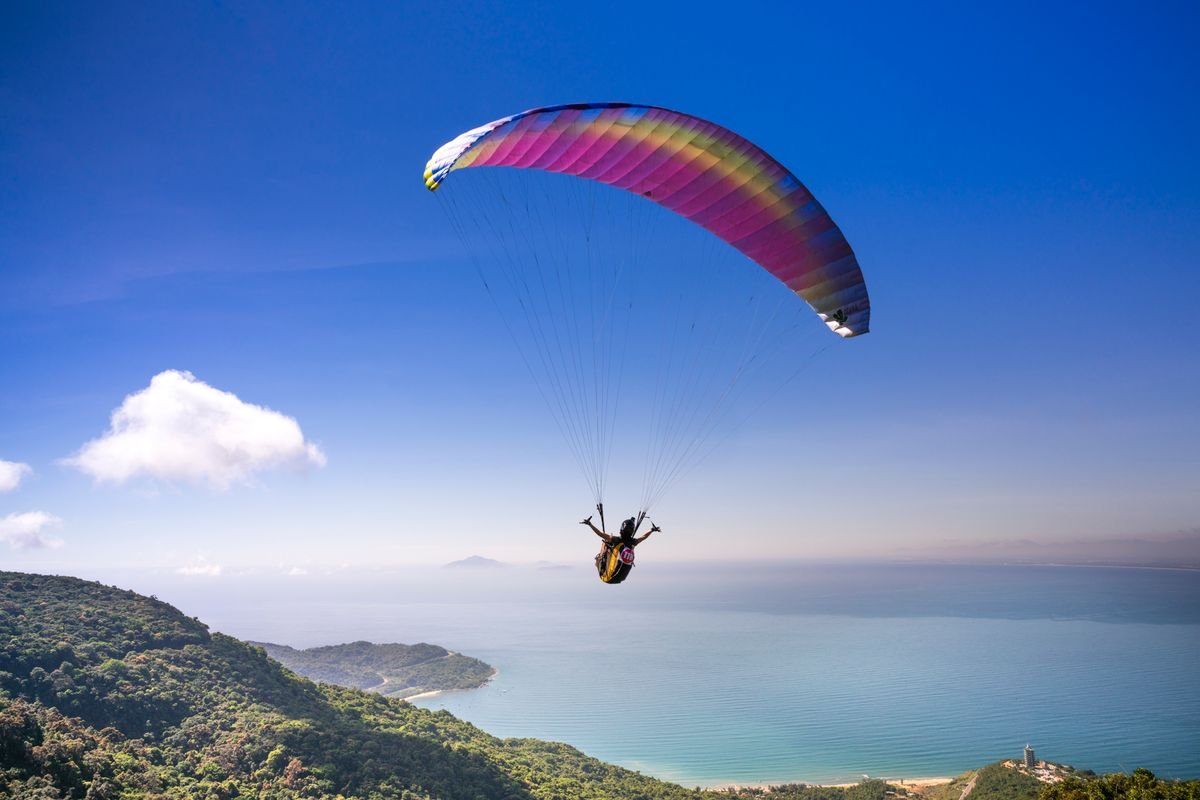
Takeoff is the most physical part of the whole experience, and it is over in seconds. You and your pilot face downhill, the wing inflates behind you, and you take a few committed steps. Then your feet find no more ground. There is no jump and no drop. The slope falls away beneath you and the harness takes your weight.
Most of the nerves people carry sit in these first moments. Once the wing is flying cleanly overhead, the tension fades quickly. You are no longer running; you are sitting back, held securely, watching the launch site shrink below.
A tandem paraglider is a foot-launched aircraft, which is why the start uses your legs rather than a runway or a cable. The pilot waits until the wing is pressurized and stable overhead before committing to the run, so by the time your feet leave the ground, the wing is already doing most of the work. Understanding that sequence beforehand tends to calm the pre-flight jitters more than anything else.
A useful trick: keep walking forward until the pilot tells you to stop, and resist the urge to sit down too early. Once you are airborne, the harness takes over and you can relax into it. If you want to see exactly where that first step happens, our walkthrough of the Ghosta launch site shows the terrain you will run across before the ground falls away.
Why the Air Feels Calmer and Quieter Than You Expect
The biggest surprise for most first-timers is the quiet. A tandem paraglider has no engine, so there is no motor noise, no vibration, and no fumes. You hear the wind moving across the wing, the occasional creak of the lines, and your own voice clearly enough to chat with your pilot the entire time.
That silence changes the whole mood of the flight. Without an engine driving you forward, the paragliding sensation is closer to drifting than to being propelled. The wing glides on the air, trading a small amount of height for forward distance, and the result feels smooth and unhurried.
The air itself often feels different up high. Away from the ground, gusts tend to smooth out, and over the coast a steady sea breeze supports the wing. On a good day the ride is remarkably stable. Paragliding is governed worldwide by the Fédération Aéronautique Internationale, the independent body that oversees free-flight sport, which gives you a sense of how established and standardized the activity has become.
The Sensations During Turns, Glides and Landing
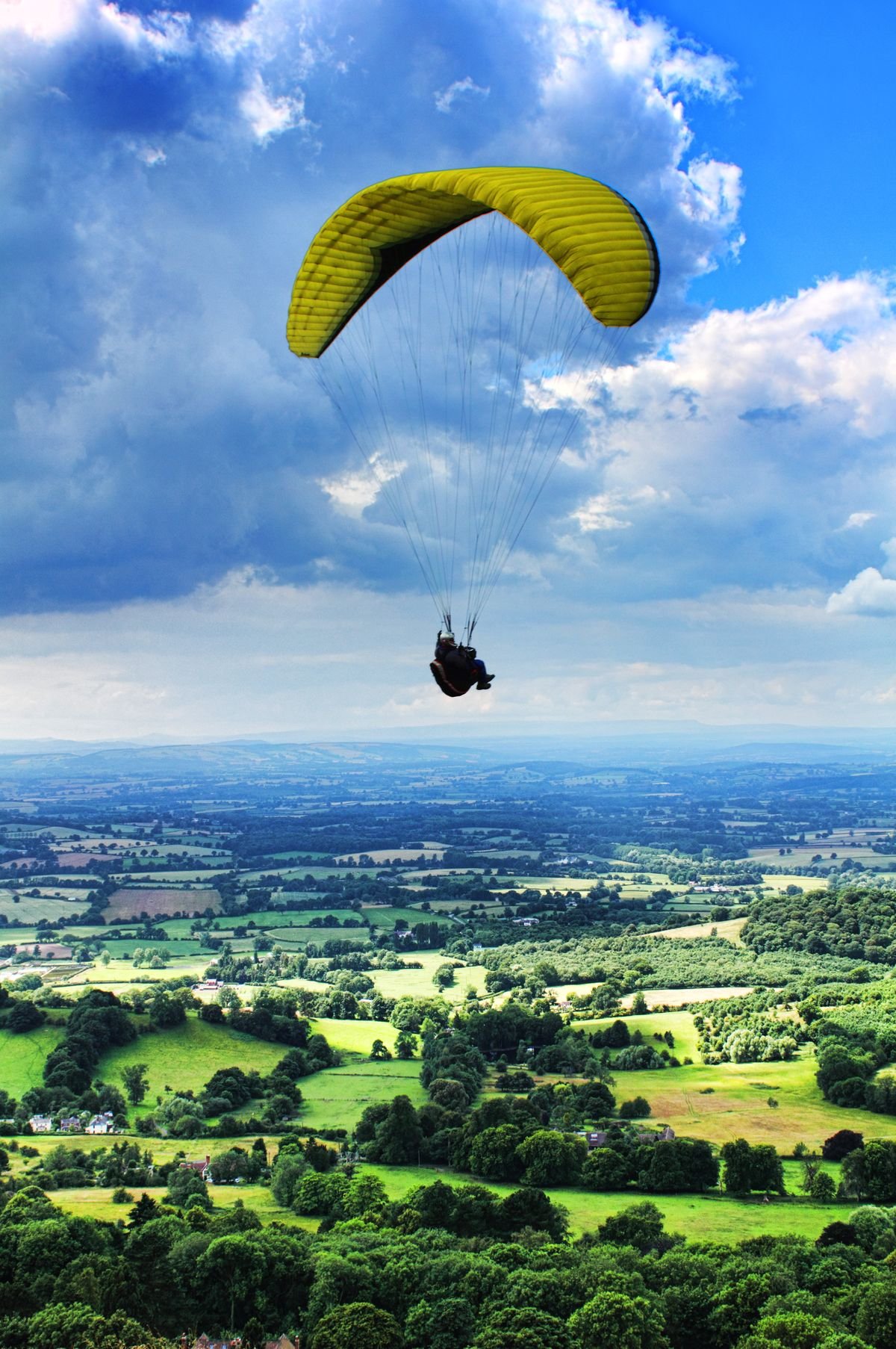
Turns are where people brace for a roller coaster and get something gentler instead. A normal tandem turn is a slow, banking curve. The wing leans, the horizon tilts a little, and you feel a soft, steady pull rather than a sharp jolt. Your pilot controls how mellow or lively each turn is, so you can ask for calm the whole way if you prefer.
Between turns comes the glide. This is the part people describe as floating. You are moving forward at a relaxed pace, the coastline slides past below, and there is very little sense of speed because nothing nearby rushes by. It feels less like falling and more like hanging in open air.
Then there is the question everyone asks: does your stomach drop? In standard flying, no. The descent is gradual rather than a free fall, so there is no elevator-drop feeling in your gut. If you are worried about queasiness, our notes on staying comfortable and avoiding motion sickness cover simple ways to keep the ride settled.
Landing is calmer than most people imagine. Your pilot lines up into the wind, the ground rises to meet you, and you either touch down on your feet with a step or two or slide gently onto the harness. It is a soft finish to a quiet flight, not a dramatic one.
What First-Timers Say Surprised Them Most
Ask people what caught them off guard, and the same answers come up again. First, how secure the harness feels. Sitting in it is a bit like settling into a firm chair, and that physical support does a lot to quiet the fear of heights. Many passengers who swore they were afraid of heights report feeling fine once they were flying.
Second, how fast the nerves disappear. The anxious part is the anticipation at launch. Within the first minute of being airborne, most people shift from gripping the harness to grinning and reaching for their camera.
Third, how much there is to see and feel at once: the cool air on your face, the open horizon, and a view of the bay you simply cannot get any other way. The coastline curves below, the water shifts color with the light, and the hillside towns look like a model from above. It is a lot to take in, and the quiet gives you room to actually notice it.
People also mention the small physical details they did not anticipate. The temperature drops a little as you gain height, so a light layer helps. The breeze is constant but not harsh. And the sense of scale, with the whole bay laid out at once, is something photos rarely capture well.
How Your Pilot Keeps the Ride Smooth Over Jounieh Bay
The reason a tandem flight feels so easy is that your pilot is doing the hard part. From the back of the harness, a certified tandem pilot reads the air, adjusts the wing constantly, and decides when and how sharply to turn. Your only job is to sit back and enjoy it.
Over Jounieh Bay, that local knowledge matters. Our pilots at Paragliding961 fly this coastline regularly, so they know where the air tends to be smooth, how the sea breeze behaves through the day, and which lines give you the best view of Jounieh and Harissa. That experience is a big part of why the ride stays steady and relaxed.
Good conditions make a calm flight even calmer. We only launch when the weather cooperates, and a settled, light-wind day gives you that signature floating feeling. Choosing an experienced, properly certified operator is the single most important thing you can do to make sure the sensation you get is the smooth, quiet one described here, rather than a rough one.
Ready to feel it for yourself? Pick a clear, light-wind day, book a tandem flight with a certified pilot who knows Jounieh Bay, and give yourself a few quiet minutes before launch to settle your nerves. The takeoff lasts seconds; the view stays with you far longer.
Frequently asked questions
What does paragliding feel like for a first-timer?
It feels calm and secure. After a short run at launch, the ground falls away gently and the harness supports you like a chair in the sky. Most of the intensity is in the few seconds of takeoff, not the flight itself.
Is paragliding scary or relaxing?
For most people it is far more relaxing than scary. The movement is smooth, the turns are gradual, and a certified tandem pilot controls the wing the entire time, so you can simply sit back and take in the view.
Does paragliding make your stomach drop like a roller coaster?
Usually no. Normal tandem flying uses gentle, gradual turns and a steady glide, so there is no sudden free-fall feeling. If you prefer an extra-calm ride, you can ask your pilot to keep it mellow.
What does the air feel like up there?
Open and surprisingly quiet. With no engine, you mostly hear the wind. The air often feels smoother and cooler than on the ground, and over the coast you get a steady breeze on your face.
Can I talk to my pilot during the flight?
Yes. You sit just in front of your pilot, so you can chat the whole way. Pilots often point out landmarks around Jounieh and Harissa and will explain what is happening as you turn and glide.
2 Responses